Featured
Table of Contents
Every brand-new year brings with it brand-new difficulties, chances, and technologies that will reshape how brands get in touch with their audiences. As marketing progresses, one thing remains constant: businesses that plan tactically and act purposefully surpass those that respond. At M&R Marketing, we've spent almost 20 years assisting brands grow through every major digital shift from print to pay per click, social networks, AI, and others.
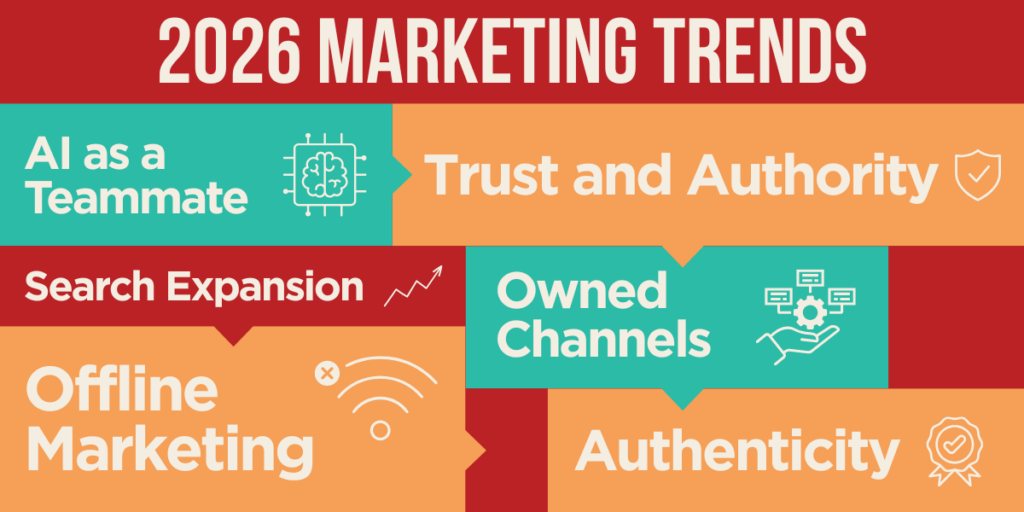
Here's what your 2026 marketing method need to focus on if you desire your company to lead in the year ahead. AI tools have actually transformed the method we produce and carry out marketing methods, 2026 will still be the year of human credibility. Brands that rely solely on automation are already feeling sterilized, while those that blend data and humanizing material are rising above the noise.
Let it enhance targeting and workflows while keeping messaging and creativity rooted in genuine human insight. As brand names adapt more to AI, they become more alike and battle to stand out. Invest in brand name storytelling that promotes your worths, function, and vision. In other words, aim to promote your uniqueness.
The greatest brand names in 2026 will not simply be the most visible; they'll be the most relatable. Genuine communication that links mentally with audiences will surpass algorithmic material every time.
The Role of Reputation Management in Digital Growth
Construct or revisit your yearly marketing plan to specify measurable KPIs. After nearly 20 years of working with hundreds of brand names, here's something we've found out: when marketing is highly lined up with company goals, it becomes a development engine rather than a fortunate gamble.
Google's progressing algorithms still worth material that demonstrates depth, originality, and genuine human insight. Release thorough, evergreen content on a routine basis that answers essential concerns your audience is asking.
Your marketing doesn't end when someone fills out a type. In 2026, client experience will define brand name commitment just as much, if not more than, the price or product.
Succeeding in the Age of AEO and GEO
Individualize content through segmented e-mail marketing, digital ads, retargeting approaches, and other channels. Align your marketing and sales teams to deliver a consistent, value-driven experience for your potential clients. Brands that develop seamless, customized experiences will see greater retention, more powerful evaluations, and more recommendations. Remember, consumer retention is perhaps more crucial than acquisition.
The finest strategies integrate paid media, SEO, and material marketing into one cohesive strategy. Support your paid ad techniques with strong natural SEO for long-lasting authority.

A full-service strategy like the ones we develop at M&R guarantees your channels enhance, not complete with, one another. Data is fundamental to your marketing success.
Our team turns information into actionable intelligence, assisting customers see not just what took place, however why, and what to do next. Today's audiences desire content that's both quick and meaningful, which is specifically what video supplies.
Usage educational, behind-the-scenes, and testimonial material to humanize your brand name. Plus, the data reveals that video regularly outperforms static posts throughout markets, from healthcare to financial services.
Succeeding in the Era of AEO and GEO
Brand names that adjust early will get a major competitive benefit. In 2026, the smartest brands will utilize AI attentively, enhancing creativity and precision without losing human oversight.
Effective Media Relations Tactics to Gain ExposureThe period of one-off projects is fading as brand names now need consistent collaboration with companies that can function as extensions of the company's internal group. Develop long-term relationships with your marketing partners. Look for a company that comprehends your goals, not simply your budget plan. Find the group that values accountability, proactivity, and shared ownership of results.
Effective Media Relations Tactics to Gain Exposure
We align with your vision, own your results, and bring concepts to your desk before you ask. That's how real growth takes place. 2026 isn't about doing more marketing; it's about doing reliable marketing. The brands that grow will be those that focus on alignment: lining up vision with execution, people with function, and strategy with quantifiable outcomes.
Essential Media Relations Strategies for Success
At M&R Marketing, we combine creativity, technique, and data to assist brands throughout Georgia and the U.S. build long lasting development. Let's talk about your marketing technique.!! Want some extensive insight into all things marketing?
This is where brand marketing technique changes everything. Unlike campaign-focused marketing that drives instant conversions, brand marketing strategy develops the long-lasting equity that makes clients pick you before they even talk to sales.
When done right, it transforms price-sensitive prospects into loyal supporters who pay premium rates and refer others. This guide strolls through the necessary components of an effective brand marketing method, from specifying your core brand aspects to measuring ROI. Take a minute to go through and you will find proven development techniques that scale throughout departments and learn how to develop implementation roadmaps that provide measurable results.
strong brand name technique lowers cost sensitivity, reduces sales cycles, and constructs preference before potential customers ever engage with sales. purpose, positioning, identity, messaging, and governance must interact to produce constant, repeatable brand name experiences at scale. brand name develops demand and trust, while campaigns record it separating the two limitations effect and pumps up acquisition expenses.

Latest Posts
Top Benefits of Digital Marketing for B2B
Future Best Practices for Crisis Relations
Key PR Trends Every Firm Must Follow