Featured
Table of Contents
Expect what they'll wish to know and put it in journalism release upfront. Go easy on the adjectives let them do the editorializing, not you. If the reporter asks a question you're not prepared to answer, do not phony it. Inform them you wish to make sure you're getting it ideal and will follow up.
It's no trick that wire service are working on tight margins, with reduced staffing and almost zero fact-checking. The more of their work you can do for them providing easy access to interviewees, online downloadable visuals, fast and trustworthy fact-checking the more they'll want to deal with you. It's always enjoyable to "newsjack" by linking your story to the existing cycle (LCI has a fantastic example tying National Nurse Week to a royal birth).
If all the reporters in your sector are covering a major top meeting, do not attempt to pitch them anything else that week. Elections, sports events, market conferences and even significant holidays may be something to avoid, unless you can cleverly discover a way to newsjack them. Developing and keeping successful media relations can be difficult, even for large companies.
Forbes Management Council Cultivating Media Relationships: It's a ProcessAgility PR The current state of PR & media relationships 7 ways to produce much better ones Media Relations: Everything You Need to Know.
Management Authority: An One-upmanship for Local CompaniesWe have actually stated it in the past, and we'll say it once again, there is no one-size-fits-all technique when it comes to your media relations campaigns. Each journalist is distinct and has specific needs and requirements.
How AI Is Reshaping Modern Search
This is an approach we've executed within our and one Eliza Bianco also reiterates. She recommends asking yourself to develop your story. Here are a couple of she recommends to think about asking yourself: is this story about? and is it taking location? is taking place? is it important for individuals to learn about it? A basic practice for making sure you have each of these aspects within your pitch is to compose them down and fill out the blanks.
The next action is to recognize the right reporters who would cover your news. This is one of the most tough parts of media relations and among the primary factors we produced OnePitch for public relations experts. Our special categorization system helps you focus on your pitch and permits us to find the right journalists based on the keywords and context of your news.
You'll gain insight into the types of sources and brands they cover but likewise how the reporter provides them from the publications' perspective. It's also important to understand who the reporter is and details about their individual self aside from their expert work. Understanding their area can help notify you WHEN to pitch them.
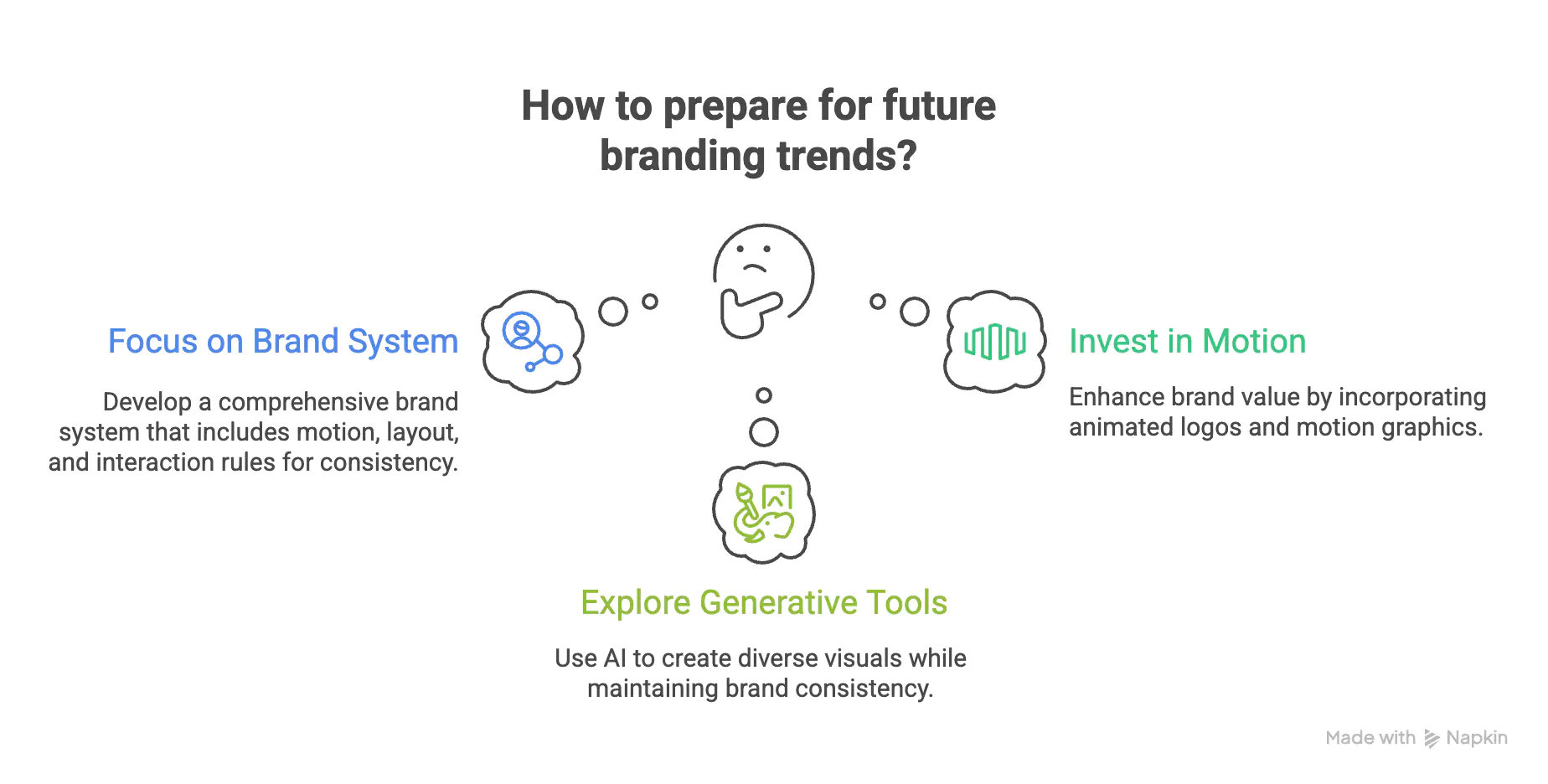
How Evolution of Brand Strategy By 2026
A lot of times media relations can seem transactional and hardly ever does that create a structure for a long-lasting relationship. Make sure to have whatever prepared ahead of time for a journalist.
images, quotes, links, etc) along with have times available for executives you're pitching for an interview chance, as an example. Sometimes journalists are working on stringent due dates and don't have a lot of time to wait on the information you're attempting to share. By being prepared ahead of time, this guarantees the journalists aren't stuck waiting on you and increases your chances of getting a post put.
That's roughly 37,500 individual profiles. And think me, when I state, you required to be using Twitter to get in touch with reporters. You can use internal tools like Twitter lists to curate feeds based upon a specific beat or industry, for instance, and even follow lists that others have actually produced. Introductions are an excellent method to start a conversation with a journalist.
How AEO Is Reshaping Modern Search
Present yourself, let them know about your brand name, and ask how you can be a resource. Use this as a stepping stone to build a relationship and pitch them when you have valuable news to share. Lastly, bear in mind the details you're sharing and make sure it matters. This is one of the most tough tactics to master and it requires time to understand how to present it, to whom, and when you ought to share it.

Look for things like the audience type (B2B or B2C) in addition to what the topic consists of. Seldom, do reporters write the same short article more than once however this can offer you an idea of what they covered and why your business is worthy of to have actually a post discussed them.
According to, "Consumers are tuning out ads, both actually and psychologically, and instead consuming material that is appropriate to them and tells a story." The need not just to develop content but also to market it is ending up being more competitive and the focus is slowly moving from pay-to-play to earned media.
A piece of advice shared by media relations professional, Michael Smart, is the 80/20 principle. This suggests to focus your 80% of your time and attention on the leading 20% of your media list. This technique impacts many other fields and departments within an organization and has shown to amass results for those who execute this effectively.
Top Benefits of Digital PR for B2C
It stands for paid media, made media, shared media, and owned media. By combining these, Gini says, "When you incorporate the four media types, you might discover you also have influencer engagement, partnerships, and incentive programs that extend beyond your internal walls." Gini recommends beginning with owned media and constructing your strategy from there.
___ No matter what, ensure you supply important details each time you call a reporter. Be a resource for reporters by understanding your story, understanding who they are and what they discuss, and by being prepared. Whether you're simply beginning in media relations or a skilled veteran, all of the strategies we've laid out in will help direct you from start to complete.
Fill out the type below to sign up for our newsletter and receive emails with the top blogs from The TypeBar!.
A media relations technique need to be a part of any strong public relations and marketing project. Media relations is all about developing and developing relationships with reporters and media outlets. These relationships use a mutual advantage in between both media organisations and organizations who want to take advantage of them. Business utilize media relations to produce media coverage that will have a favorable effect on their brand name.

Latest Posts
Future Best Practices for Crisis Relations
Key PR Trends Every Firm Must Follow
Mastering Corporate Reputation in a AI Landscape